Join our network to receive updates on local events and exclusive stories about failure and growth.
You're now part of our global community! You'll be the first to receive updates about upcoming events near you, delivered straight to your inbox. Plus, you'll get access to our special selection of the best failure stories of the month.
Oops! Something went wrong while submitting the form.
Why do we keep pretending that no one fails? What we learned by breaking the silence in Tbilisi
"I’m fed up with the same conversations, and someone should bring Fuckup Nights to Tbilisi. And if no one does that, then I will."
By:
Blanca Smith
The Breaking Point of Perfect Stories
Back in 2015, Hayk Asriyants first heard about Fuckup Nights at a networking gala in Monterrey, Mexico.“During the networking gala a colleague told me: you should meet these guys. They’re organizing this incredible thing called Fuckup Nights.’” Hayk was fascinated with the concept but the moment wasn't quite right to bring it to his adopted hometown of Tbilisi, Georgia.
Fast forward to January 2018. Hayk was attending a local startup event where four speakers talked about absolutely nothing but success, and most of the questions from the moderator were about success. This was the last drop.
During the networking session, Hayk shared his frustration, telling another attendee, “I’m fed up with the same conversations, and someone should bring Fuckup Nights to Tbilisi. And if no one does that, then I will.”
That is exactly what happened. He applied for the license the next month, and the Tbilisi chapter was officially born in 2018.
No Breathing Room and Not Enough Chairs
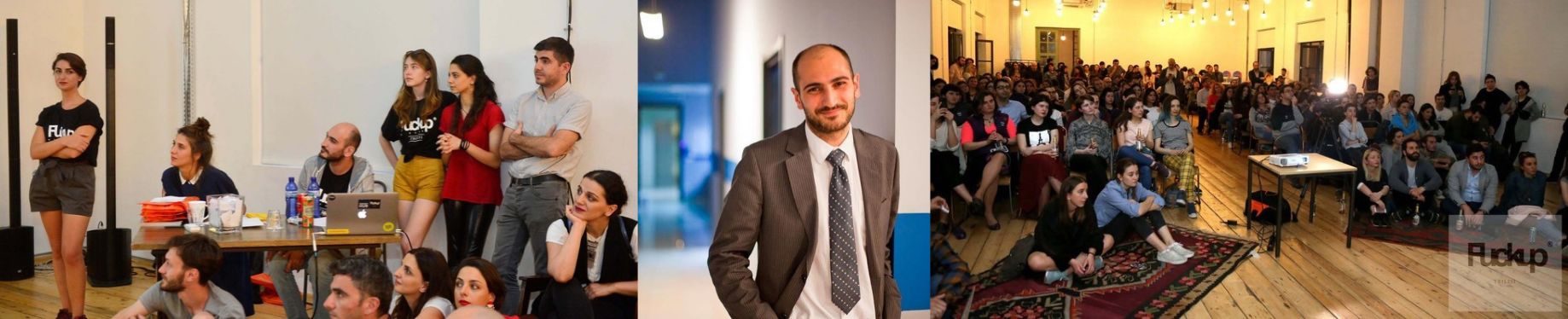
Fuckup Nights Tbilisi was a bit of an outlier because the very first event was immediately massive—and not without its own logistical failures. Hayk comments: “We sold too many tickets, and too many friends accepted the invitations and showed up. Eventually there were over 200 people – we didn’t have enough chairs.”
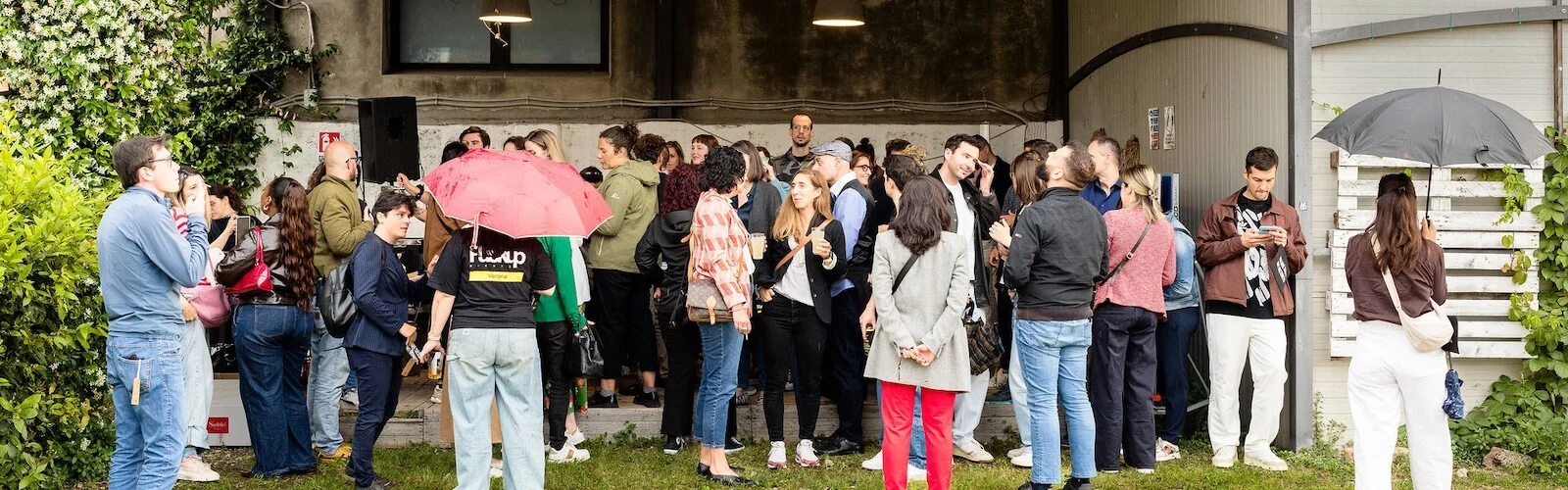
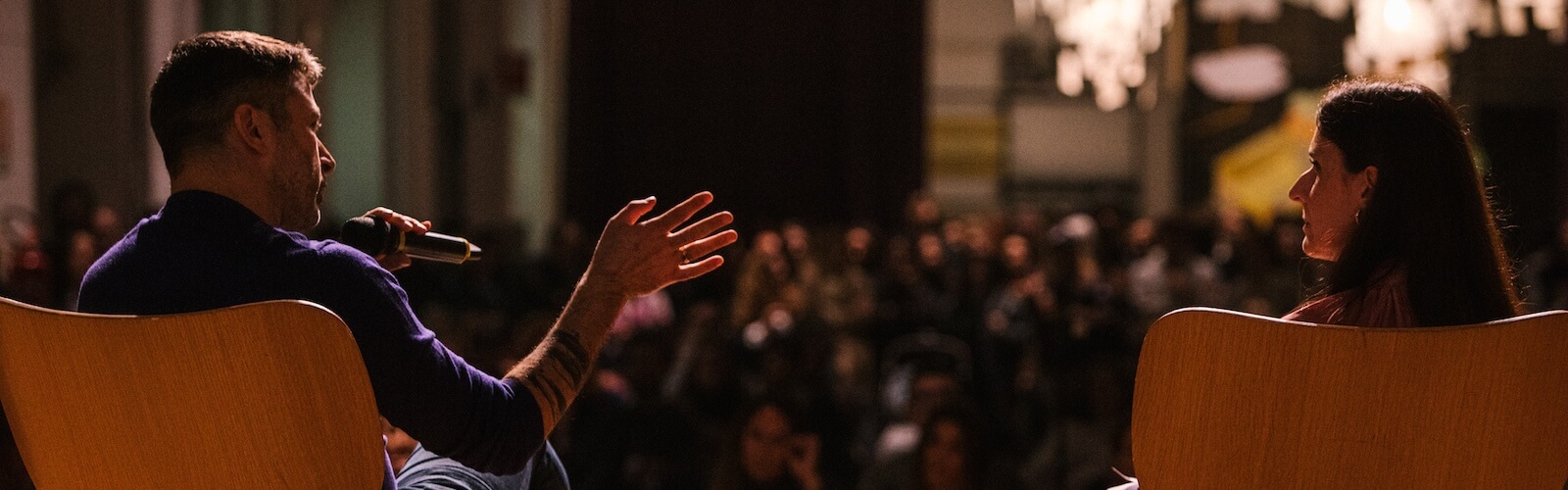
Despite the chaotic launch, the chapter continued organizing events every month. The biggest event they have hosted was during Tbilisi Startup Day, attended by about 600 people. The stage has welcomed everyone from ambassadors and an NBA champion to journalists, investors, and even a local carpenter.“The community loves Fuckup Nights, and everybody is asking when’s the next one.”
Do you want to be a leader in your community?
Organize " Fuckup Nights " events in your city
Create a space where people can connect, share their failures, and grow—whether you run a coworking space, a community space, a business, or a conference.
Build your community and generate income while you’re at it!
The greatest impact on the local community has been a new, more honest perception of failure and the popularization of entrepreneurship. Strangers who attended the events have overcome their fear of failure, quit their jobs, and started businesses. Hayk notes,“A romantic in me would say that I’ve encouraged people to follow their dreams, but an economist in me insists on saying that I’ve created jobs – a very important issue for Georgia where unemployment is still high.”
The emotional weight of the events is undeniable. The most rewarding and memorable moments for Hayk are when the speakers themselves are crying on stage.
One speaker told him through tears before her talk:“I’ve never spoken about this. You’re the only one with whom I’ve shared this. Absolutely no one else knows about this. If I mention this, I won’t be able to control my emotions, and I’ll cry again.”She mentioned it at the very end of her talk, she cried, and the community was incredibly supportive, resulting in a deeply cathartic experience.
Building an Ecosystem from Failure
Organizing these events became a crucial piece in a larger puzzle. Hayk's vision was to develop the entrepreneurial ecosystem in Georgia. Fuckup Nights inspired people to launch startups, which then needed community meetups, training, and early capital.
The tangible proof of this movement's power often arrives in a text message. One attendee reached out to Hayk to say that after being inspired by a speaker on a Friday night, they realized they shouldn't be afraid of failing. Next week, they quit their job to build their own business, claiming to be the happiest person on Earth.
As Hayk perfectly summarizes it“Fuckup Nights is a local and global community of people who share their failures, see failure as an opportunity to learn and connect, and laugh – and sometimes cry.”
Supporting the Community in Your City
Many people think like Hayk— They believe that failure is something that should be spoken openly in their community, city, or team, and become fuel for growth. For anyone who thinks of applying for a licence, Hayk gives out advice.
"Be ready for ups and downs, but it’s a really FUN ride. Be genuine. Practice what you preach – tell your failure stories. And most importantly – don’t be afraid to fail. You’ll learn from your mistakes, and each next event will be better than the previous one."