Join our network to receive updates on local events and exclusive stories about failure and growth.
You're now part of our global community! You'll be the first to receive updates about upcoming events near you, delivered straight to your inbox. Plus, you'll get access to our special selection of the best failure stories of the month.
Oops! Something went wrong while submitting the form.
From Not Wanting to Stay for the Networking Event Out of Shyness to Taking the Stage: The Story of Fuckup Nights in San Luis Potosí
Iram Vela saw the perfect opportunity to build a community on her own terms.
By:
Blanca Smith
Attending an event for the first time where people share their worst career decisions can completely change your perspective
It happened to Iram Vela in 2013, right after he graduated.
At that moment, her shyness got the better of her: “I had just finished my degree, and I was really embarrassed to stay at the networking event, but I thought the idea was excellent.” Fourteen years later, now running her own marketing agency, she came across traditional business networking groups. The contrast was striking: extremely high annual fees and rigid structures that didn’t align with her approach to business.
As he recalled that concept he had discovered years ago, he noticed that on San Luis Potosí and México, the talks at Fuckup Nights had been put on hold since the pandemic. He saw the perfect opportunity to revive the space and build a community on his own terms.
A Year of Delays and the Perseverance of the 25
The process of reviving the chapter wasn't immediate. The desire to put on the perfect event ended up working against the schedule. In Iram's own words:
"First of all, it took me almost a year to get started because I have ADHD. I really wanted to put together the most incredible event, and I kept putting it off." However, the launch proved that authenticity mattered more than overproduction.
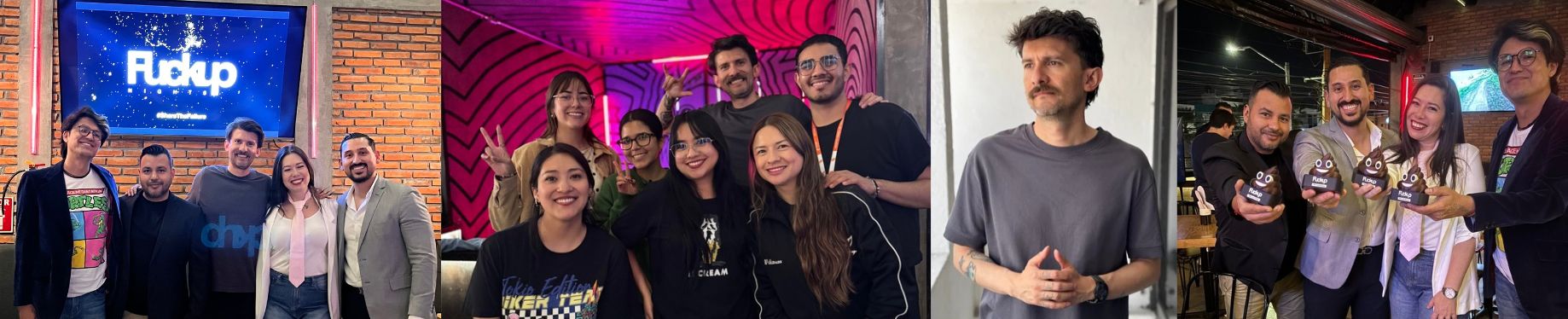
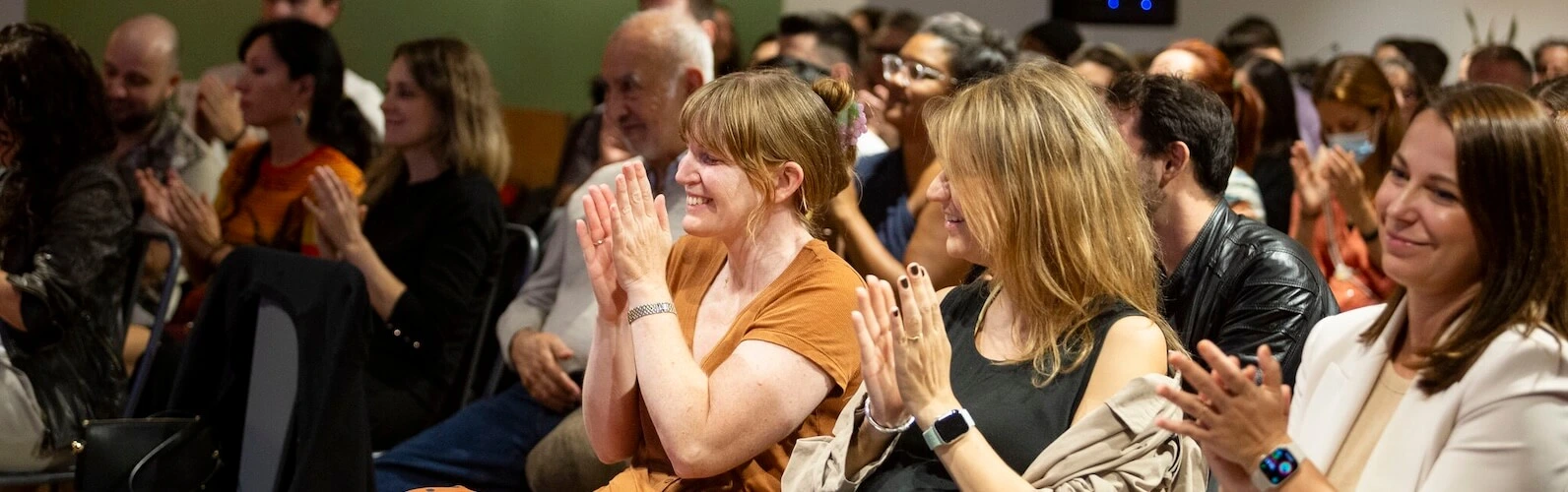
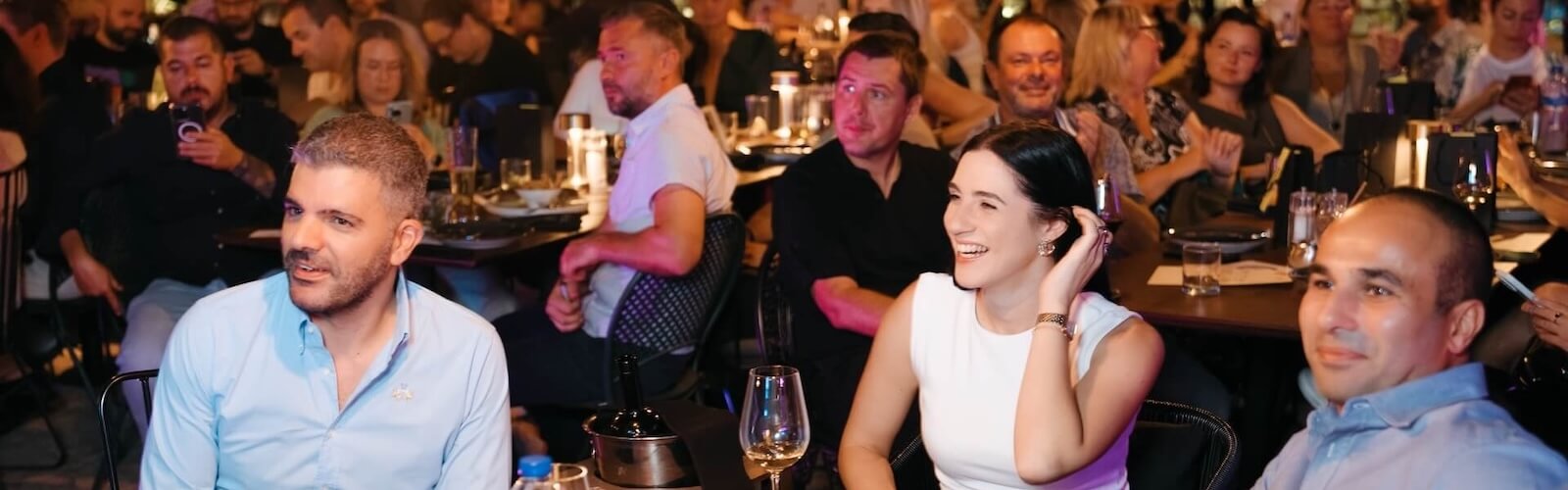
Beyond chasing massive numbers, the real value has been in the direct impact of the conversation: speakers making peace on stage, staff from a nearby bar who approach out of curiosity to ask what the project isabout, and people in the audience who instantly empathize when they hear others’ vulnerability, saying things like, “Man, something similar happened to me…”
Do you want to be a leader in your community?
Organize " Fuckup Nights " events in your city
Create a space where people can connect, share their failures, and grow—whether you run a coworking space, a community space, a business, or a conference.
Build your community and generate income while you’re at it!
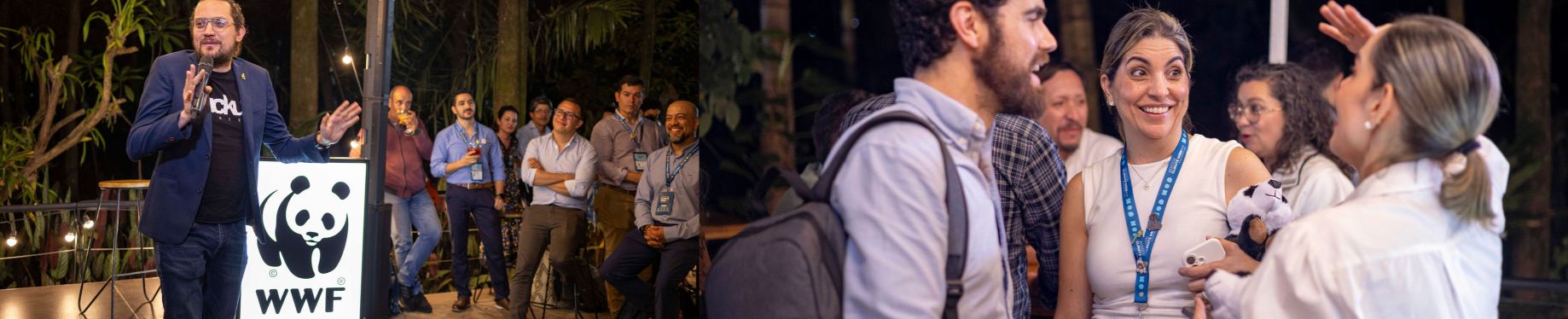
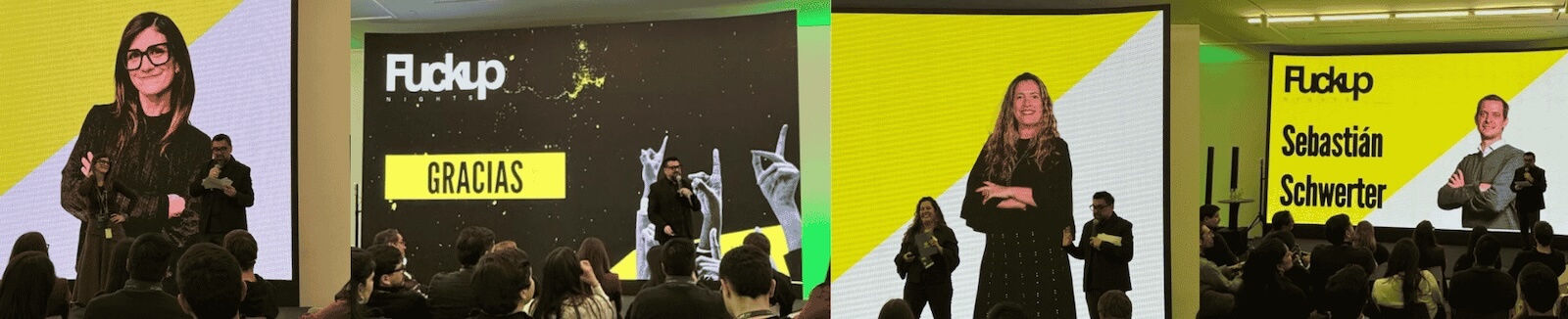
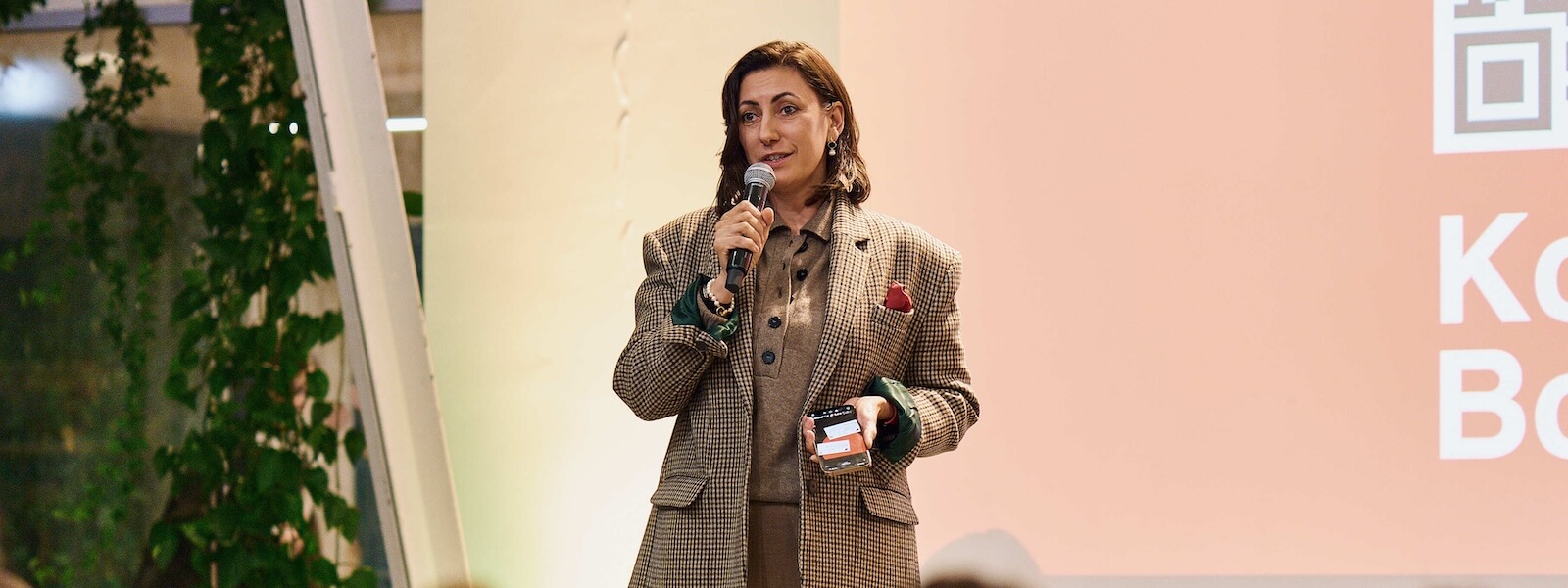
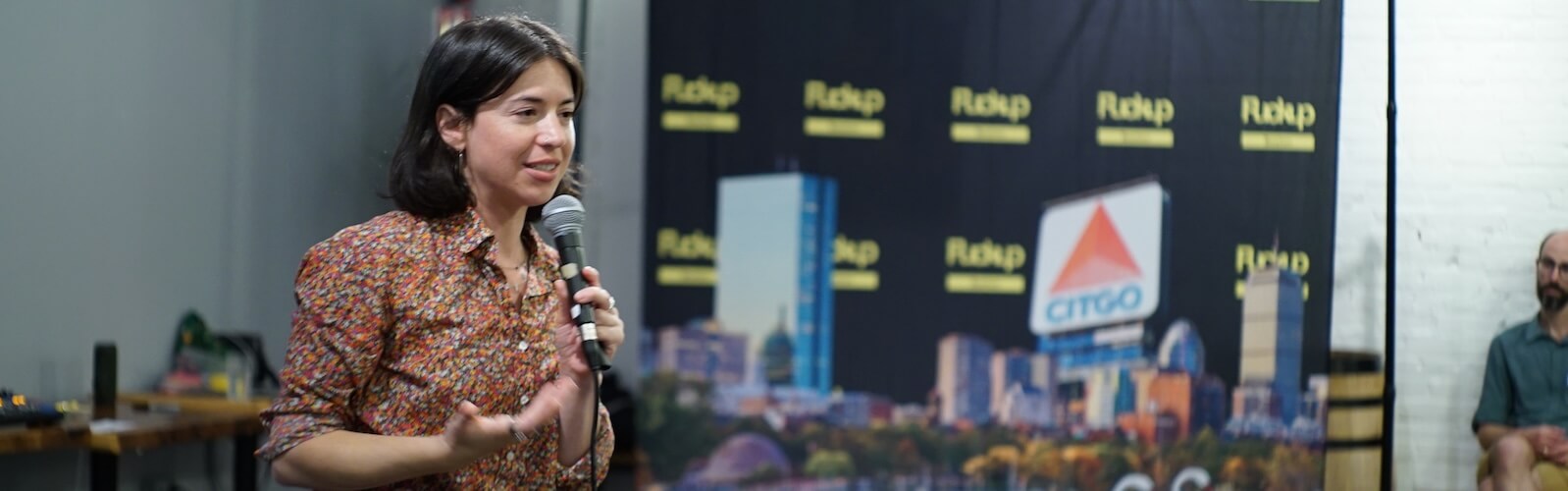
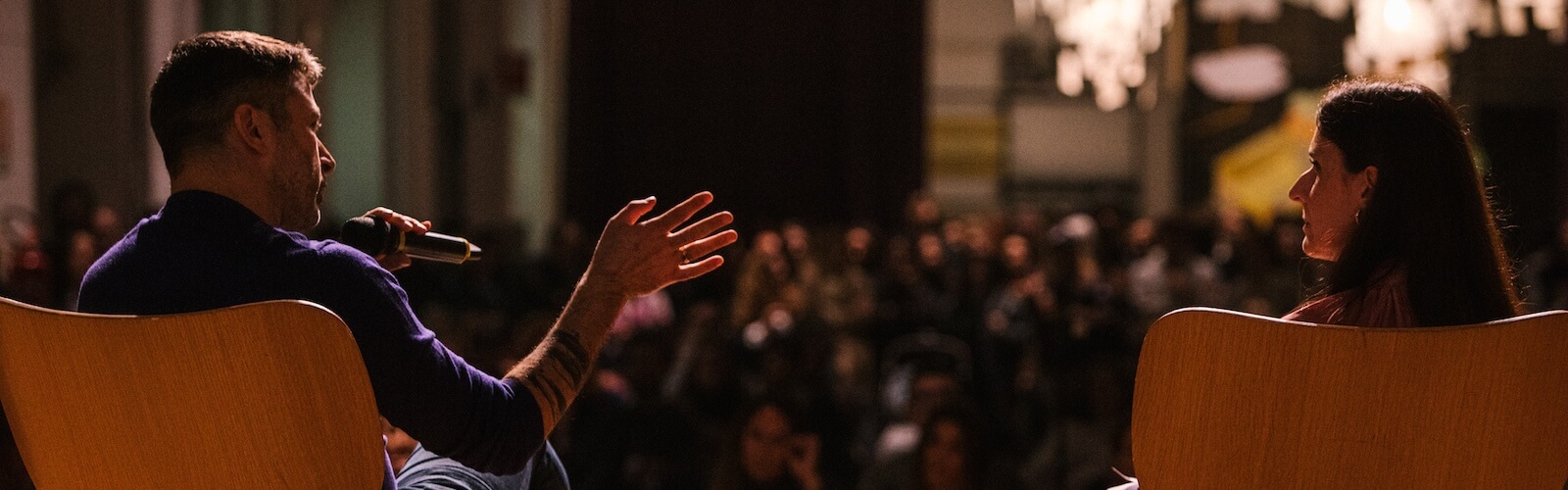
Leading the movement forced Iram to face one of her biggest personal challenges: standing in front of a microphone. Although she considers herself to have an outgoing personality, taking on the role of host and leading the evening meant stepping completely out of her comfort zone.
That unplanned presentation paid off in his professional life. The experience of structuring messages, reading the audience in real time, and managing the event’s timing opened doors he hadn’t anticipated, such as conducting business training sessions and establishing direct relationships with sponsors and business owners whom he would have been unlikely to connect with otherwise.
A Fuckup Within a Fuckup: The Lesson of Spontaneity
Among the stories shared on stage, the most memorable have been those related to health issues, as they serve as a reminder of just how fragile business planning can be in the face of the unexpected. However, his favorite anecdote involved a very shy photographer whom he invited to participate—a photographer who had a great story to tell.
Without rehearsing and breaking with tradition, the speaker took the stage and said,“Will you let me improvise? That way, it can be a ‘Fuckup’ within a ‘Fuckup.’” With the visuals displayed on the screen and a 10-minute timer set on his watch, he recounted how a mosquito ruined his trip to Patagonia and forced him to turn back.
The audience responded with a flood of questions, and the lesson for the organizers was clear: maintain the structure but leave room for spontaneity.
A punk attitude toward embracing uncertainty
For Iram, the spirit of Fuckup Nights boils down to “a very punk attitude—and I actually come from that background.” That approach has even transformed her own relationship with mistakes in the day-to-day operations of her marketing agency. Accepting that things don’t always go as planned has been part of the ongoing learning process.
To those considering getting a license for their city, he advises them not to overthink it or wait for the perfect moment. Starting with what you have on hand and scaling up with each edition is the only way to build something real, because at the end of the day, it’s all about giving it a try.