Ironically, it took Vidal years to find clarity in his own life
Vidal Espinosa spends his workdays helping business owners avoid financial pitfalls, assess risks, and make decisions that won't cost them their business.
There is a confession that sums up the collapse with surgical precision: “My business had been dead for years. My ego was the last to find out.” The warning signs were plain for everyone to see, but the internal narrative of saving the ship carried more weight than the numbers. That willful blindness led to one of the worst decisions of his career: borrowing money from his mother to inject capital into a commercial corpse that, just a few months later, ended up going bankrupt anyway.
That's when he realized there's a very fine line between perseverance and simply being unable to admit that you messed up. The ego insists on being right while real opportunities keep passing you by.
When the person teaching others how to avoid mistakes has to start from scratch
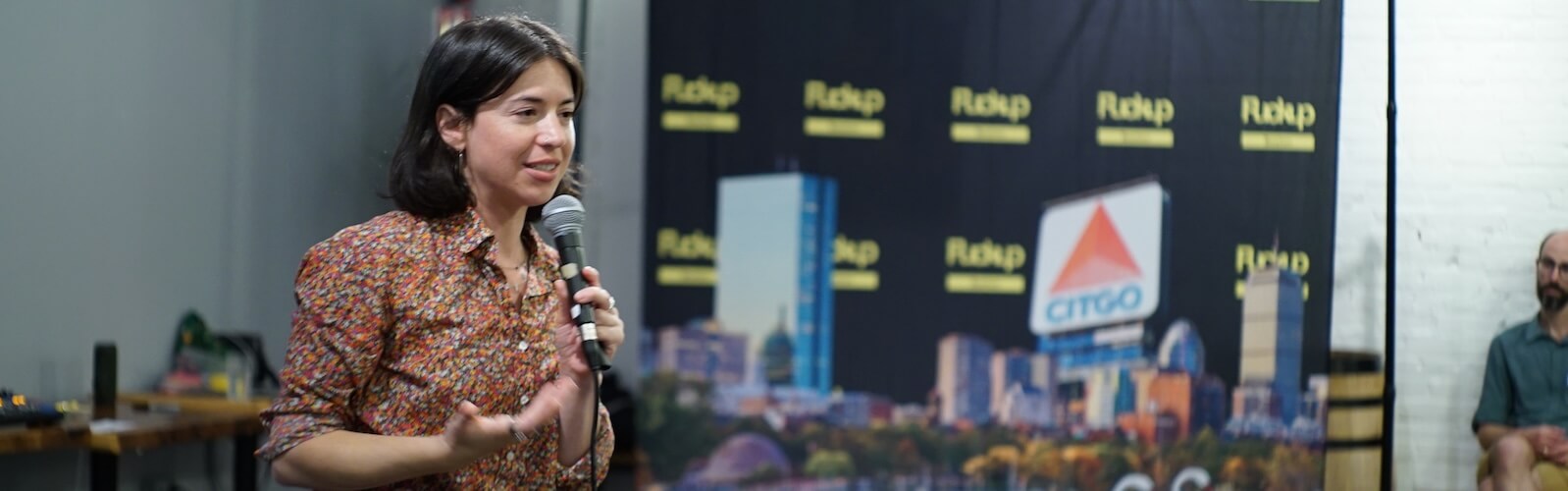
Fuckup Nights San Diego It got underway in 2018. Then the pandemic hit, continuity was disrupted, and the community went on hiatus. In 2024, Vidal decided the project deserved a comeback. It wasn’t about reactivating a group of contacts, but rather rebuilding alliances, putting together a new team, and rebuilding the chapter from the ground up. As he himself acknowledges, even Fuckup Nights San Diego had to learn to start over.
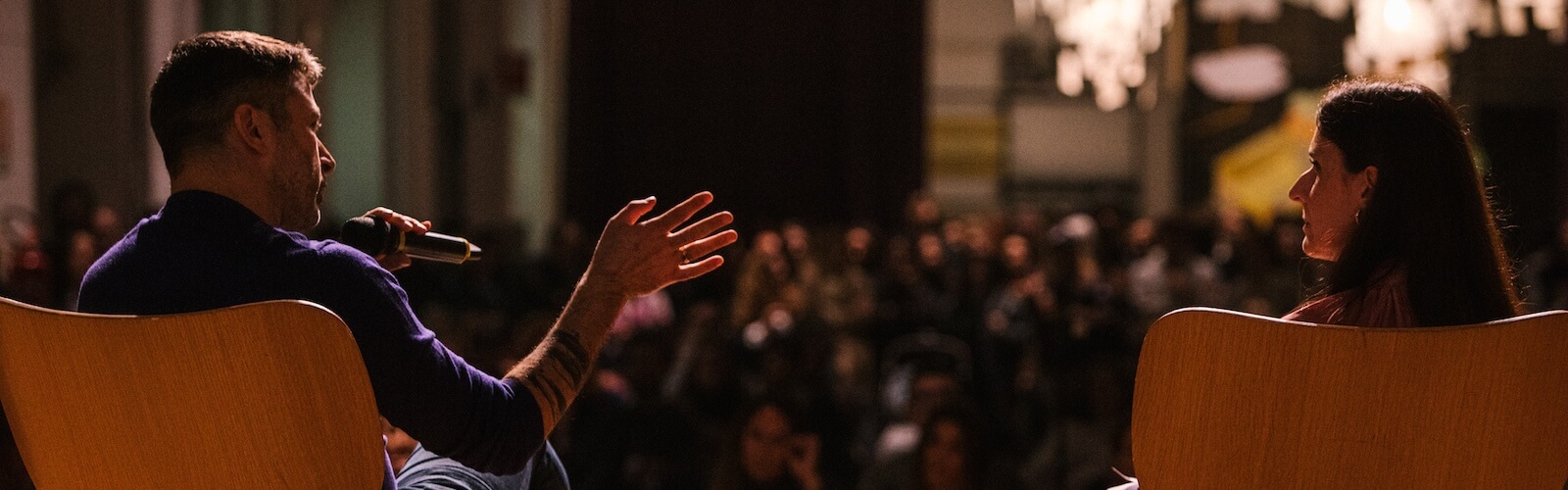
At this stage of the revival, the event features four speakers per night and audiences of over 60 people. These aren’t meetings designed to inflate metrics, nor are they sales conferences disguised as inspirational events. The intention behind the microphone is much more raw: to reveal what an income statement never shows. “It’s one thing to analyze a bad business decision. It’s quite another to hear from the person who lived through it: behind every failure lie fear, expectations, sacrifices, and pride that don’t show up on a financial statement.”
The Difference Between Organizing Events and Building a Community
People love the formula for success, but almost no one asks about the price that had to be paid to understand it. Vidal points out the reality that entrepreneurs see the success of businesspeople, but almost never see what went into achieving it. That’s why, when a novice event organizer asks him for advice, Vidal’s response cuts right to the heart of the matter: “Do you want to organize events, or do you want to build a community? They’re two different things.”
Organizing events requires logistics; building a community means stopping obsessing over bringing in the most famous speaker on the internet and daring to invite those with real scars to take the stage.
Stories really do make a difference
The taboo surrounding failure is still very much alive.
When they invited the former mayor of San Diego, Kevin Faulconer, the politician's first question was whether they really expected him to talk about his mistakes in front of cameras and on the phone.
We’re programmed to boast about our victories and sweep our failures under the rug. However, on the stage of “ San Diego ,” stories like that of Tayde Aburto, president of the Hispanic Chamber of E-Commerce, have resonated as he recalled his early days as a Mexican immigrant and the unseen sacrifices that led to his current leadership role.
Learning doesn't require you to personally hit every wall. Failure doesn't distinguish between someone opening their first business and a corporate executive with decades of experience. The only real "graduation " in business happens when you stop making excuses for your missteps: "You don't 'graduate' as an entrepreneur because you never make mistakes. You graduate when you learn from your mistakes and stop repeating them. "