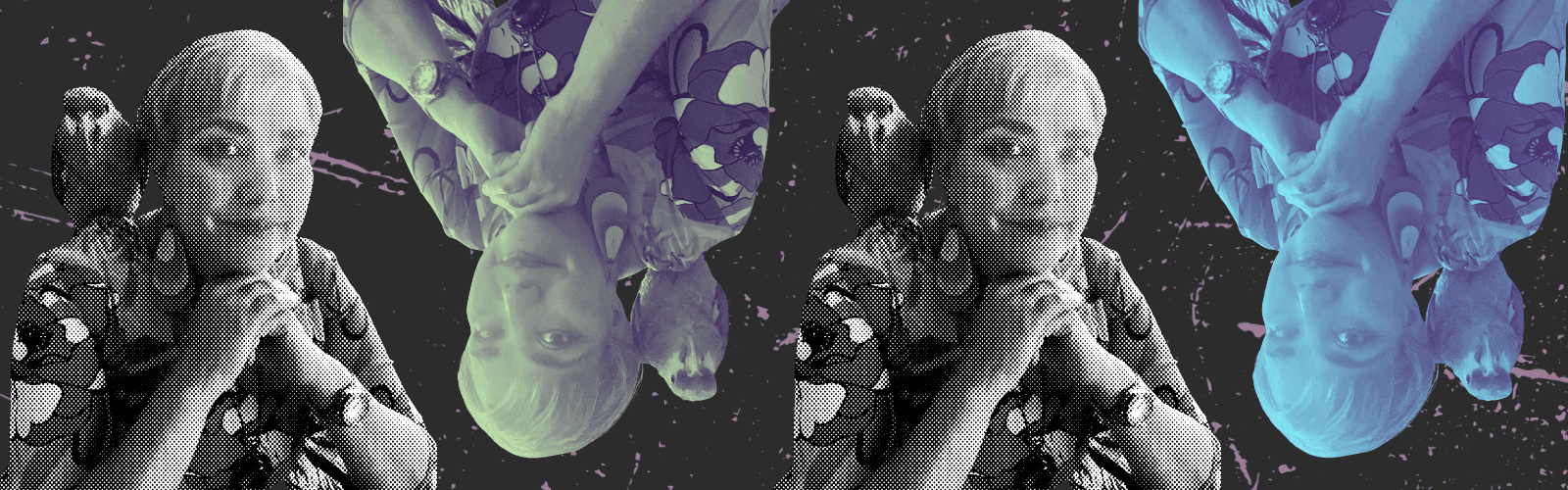
We want to end the year on a high note, so we’re bringing you the story of Miriam Grunstein, one of the most honest voices in the energy sector at México. She shared her “fuckup” with us exclusively for this newsletter.
It wasn't bankruptcy or a legal dispute, but rather a blow to her ego and the constant doubt of "what if." This is the story of how a moment of spontaneity led her into an awkward situation with a figure who, years later, would become president of México.
Read on to learn more about their story.
Trolling the future president of México
👤 Who
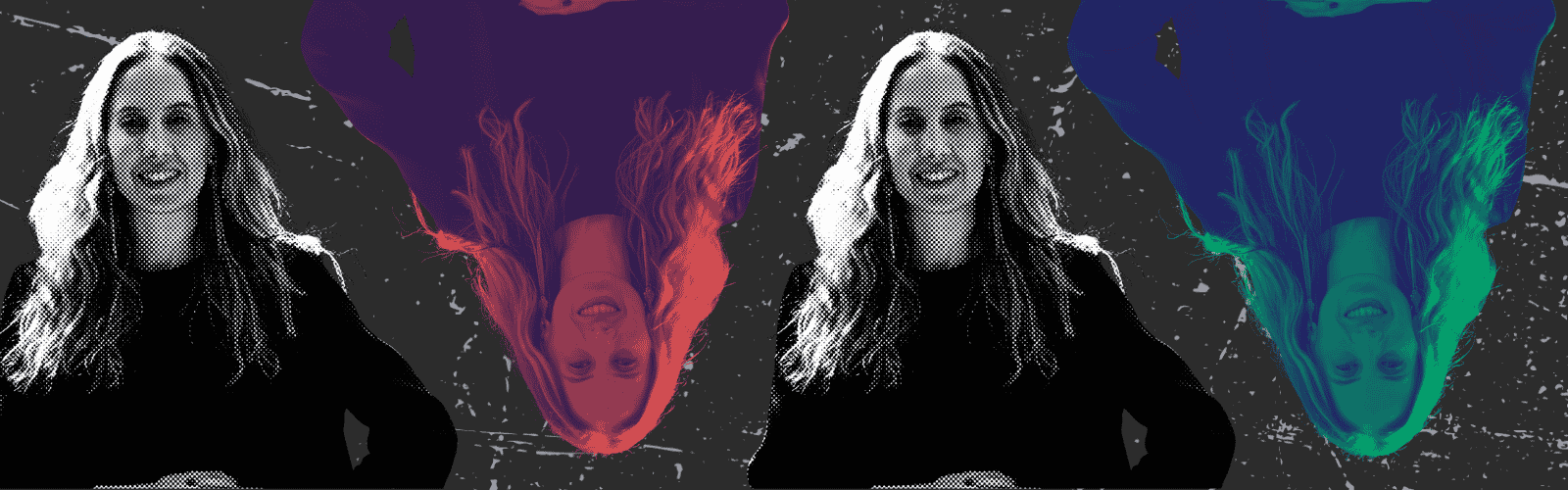
Miriam Grunstein is a lawyer, writer, and academic specializing in energy. With more than 25 years of experience in energy regulation and policy, she has collaborated with international firms and public agencies. She describes herself as a "professional blunderer" and "narcissist in recovery." She rejects the "noble titles" of professional success and prefers to talk about personal satisfaction. Diagnosed as a child with oppositional defiant disorder, Miriam is known for her insight, candor, and critical thinking.
FuN: What is your personal definition of failure?
Miriam: It's that moment when you say or do something out of place and everything goes to hell, forever. It's being irrelevant. For a recovering narcissist like me, indifference hurts more than rejection or hatred. You can survive someone's anger, but not their indifference. It's also trying to fit in, to become stiff... that would be a failure.
FuN: What was your life like before this story?
Miriam: She was a lawyer in the energy sector with a certain public profile. She was used to speaking frankly and with a certain pride: she wanted to be an "oil stand-up comedian." She wanted to be a popular, well-known, and entertaining energy analyst.
Carmen Aristegui (a well-known journalist at México) invited me to appear on her show. I arrived at the waiting room early in the morning, still half asleep. I sat down, and suddenly a very thin woman walked in, wearing an oversized sweater, her hands in her pockets, slightly hunched over, and wearing a hat that looked like something my dad would wear.
She was also wearing a pair of jeans that were too big for her. She looked like she had stepped right out of my Marxist youth. It was Claudia Sheinbaum, the future president of México.
I think she had just been elected governor of the City of México. I recognized her right away and said, “Hi, Claudia.” I was really surprised when she turned around and replied, “Hi, Miriam.” She obviously recognized me from somewhere—probably from the energy sector.
I tried to follow the conversation but didn't have much success.
💣 The True F*up
Miriam: I have a writer friend in Argentina who talks about "irrelevant incidents with infinite consequences." This is one of those events.
They took us to the studio, where other industry experts were already present. Then the debate began.
During the conversation, one of the experts insisted that the energy reform at México was not privatization and that the government would retain control. Another repeated that it was not a reform designed to benefit companies, but rather consumers, focused on fostering competition to lower prices. Claudia, on the other hand, said nothing.
When it was my turn to speak, I mentioned the weaknesses of the reform and said that if someone like Andrés Manuel López Obrador (his mentor and most important political ally, and now former president) ever came to power, the entire legal framework could collapse.
Trying to joke with Claudia, I said, "Well, you'd probably like this." She looked at me with icy eyes and said, "I'm not going to fall for provocations."
That phrase froze me. Not because of its tone, but because of what it meant: an invisible wall. I wanted to spark a conversation; she wanted to protect herself. But what was a harmless joke to me was an affront to her. I didn't know that then. I understood it twelve years later...
FuN: How did you realize the impact that moment had?
Miriam: I think I'm more than irrelevant to her, but people close to her did watch the program and they do remember that she had a moment of irritation with me.
The blow was not immediate. It was twelve years later that one of his collaborators, already working on Sheinbaum's presidential campaign, said to me: "Miriam, how awful... you make people uncomfortable."
And that's when I understood: words are not forgotten. A poorly placed phrase can linger in the memory and silently close doors.
When she won the presidency, I saw that my friends were in her cabinet and I wanted to do things with them, because we have a similar agenda.
I sensed a subtle wariness in certain circles, a "we'll invite you, but only to a certain extent." Nothing explicit, but enough to understand that my style had consequences.
FuN: How did this situation make you feel?
Miriam: I never imagined that the person I poked in the ribs would become the president of the republic years later. I felt uneasy. That feeling of awkwardness. What complicates matters is that everyone in my business circle wants to be liked by the president.
I think doubt plays a big part in this frustration. Sometimes I think I wish this episode had been more relevant, but I don't think it was. Also, during much of the six years prior to Claudia's term, I was very critical of Andrés Manuel López Obrador's administration. That's something else on my record.
FuN: Would you have done anything differently?
Miriam: Nothing . Otherwise, I wouldn't have anything to tell you. Of course, I think a lot about Claudia's evolution: how the most unlikely person can become the most powerful.
I'm not saying that anyone can be Claudia; she has had a political discipline and dedication that I don't have, and that very few people I know have. But her evolution is impressive. Spending an hour with her, seeing that woman from twelve years ago and comparing her to who she is today (whether or not I identify with her project) has marked my life.
And not just because I saw her, but because I made a comment she didn't like. You never know who you're talking to, you never know who you're approaching. If I could go back to that morning, maybe I wouldn't have kept quiet in the same way, but I would certainly have remembered the phrase my brother once said to me.
“Intelligence is knowing who you are dealing with.”
💡 In Conclusion....
- I am me, and my circumstances of oppositional defiant disorder.
- We see faces, but we don't know who the presidents are.
- Be quiet today or speak forever.
- The fish with the mouth kills.
- If you can't be impeccable with your words, roll around and enjoy yourself.
Connect with Miriam!
Remember, our channels are open for questions, complaints, feedback or collaborations at: rich@fuckupnights.com.










.svg)

.webp)

.png)
.png)
.png)
.png)

.png)

.png)
.png)
.png)
.png)
.png)
.webp)
.png)

.png)
.png)

.png)
.png)
%20(1).png)


.avif)

