Join our network to receive updates on local events and exclusive stories about failure and growth.
You're now part of our global community! You'll be the first to receive updates about upcoming events near you, delivered straight to your inbox. Plus, you'll get access to our special selection of the best failure stories of the month.
Oops! Something went wrong while submitting the form.
What if the part of you that you hide the most is the only one worth sharing? The story of Fuckup Nights Milan.
How Montserrat Fernandez Blanco brought Fuckup Nights to Italy to break the taboo of failure and create a space for collective catharsis.
By:
Blanca Smith
A hidden need: Talking about failure
Have you ever felt that the story we are told about entrepreneurship is incomplete? That discomfort was exactly what triggered this story.
In 2010, Montserrat opened one of the first coworking spaces in Italy with some friends. It was the startup world boom and the influence of Silicon Valley: the idea that entrepreneurship was something incredible and heroic.
But in the day-to-day of the coworking space, Montserrat saw a different reality. Projects that were going through enormous difficulties and companies that were not working. There was a triumphant narrative where everything revolved around success and scaling, but no one talked about the projects that died or the emotional impact on the people involved.
The question that almost became an obsession: Why don't we leave room for failure?
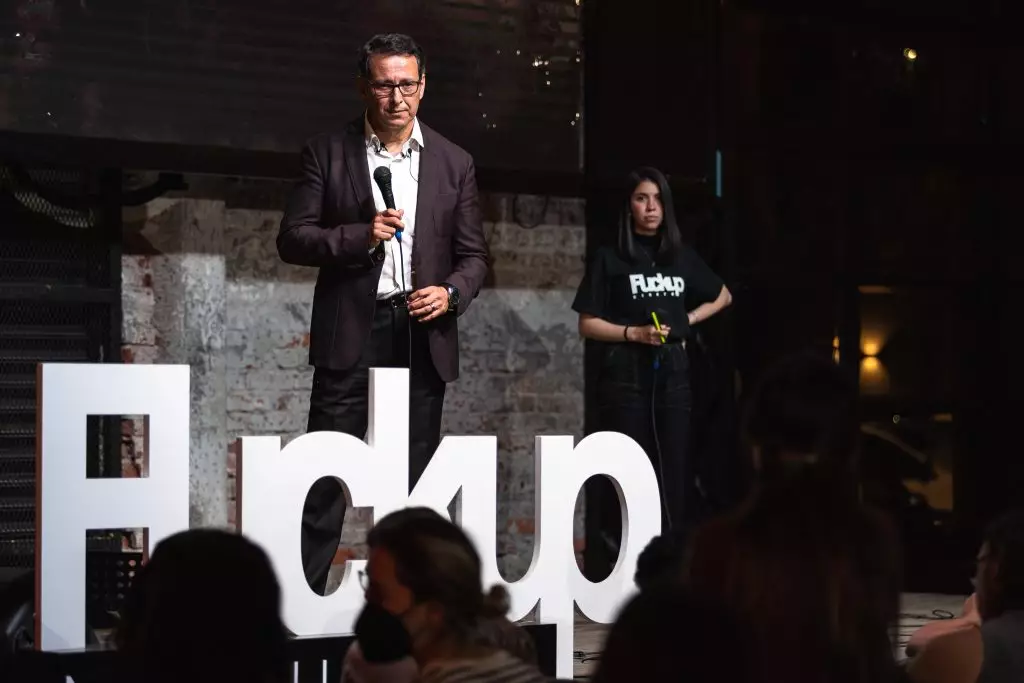
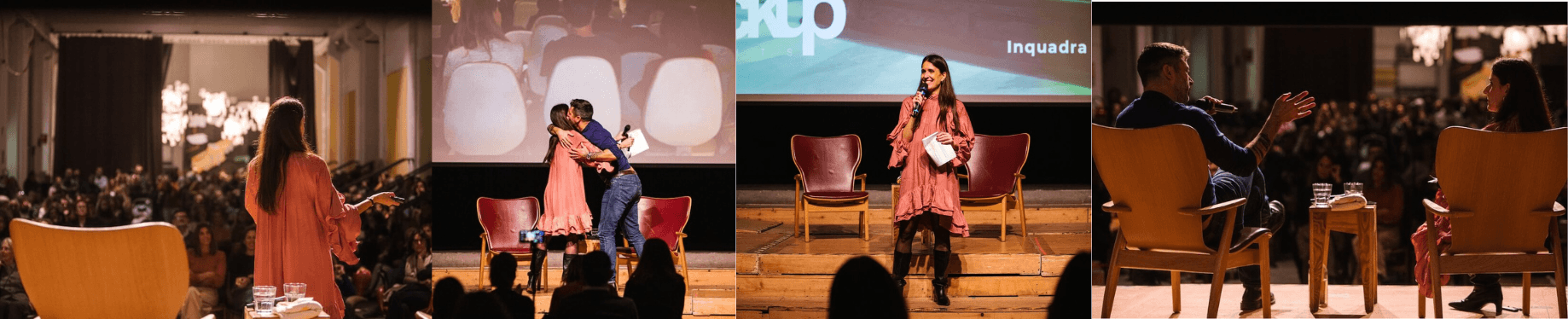
Seeking answers, Montserrat found Fuckup Nights, which was just starting in Mexico. From the beginning, the stage in Milan did not limit itself. Public figures like Roberto Saviano, family doctors, tightrope walkers, sociologists, and scientists have all passed through it.
Behind the scenes: The "failure hunter"
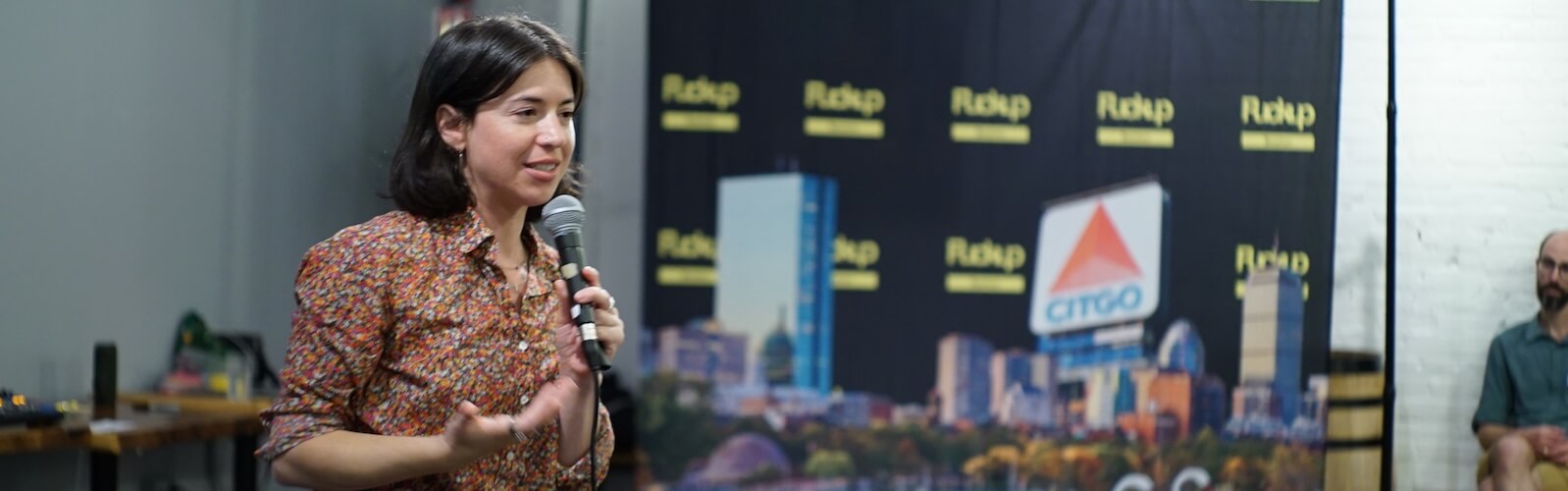
Montserrat often jokes that she is a "failure hunter," but finding these people has been a transformative experience. There is a phrase that speakers constantly repeat to her in private: "I have never told this to anyone."
That is where the power of the movement lies. We have built a society where we feel that the most vulnerable parts of ourselves must remain hidden, even from our loved ones. Fuckup Nights breaks that taboo.
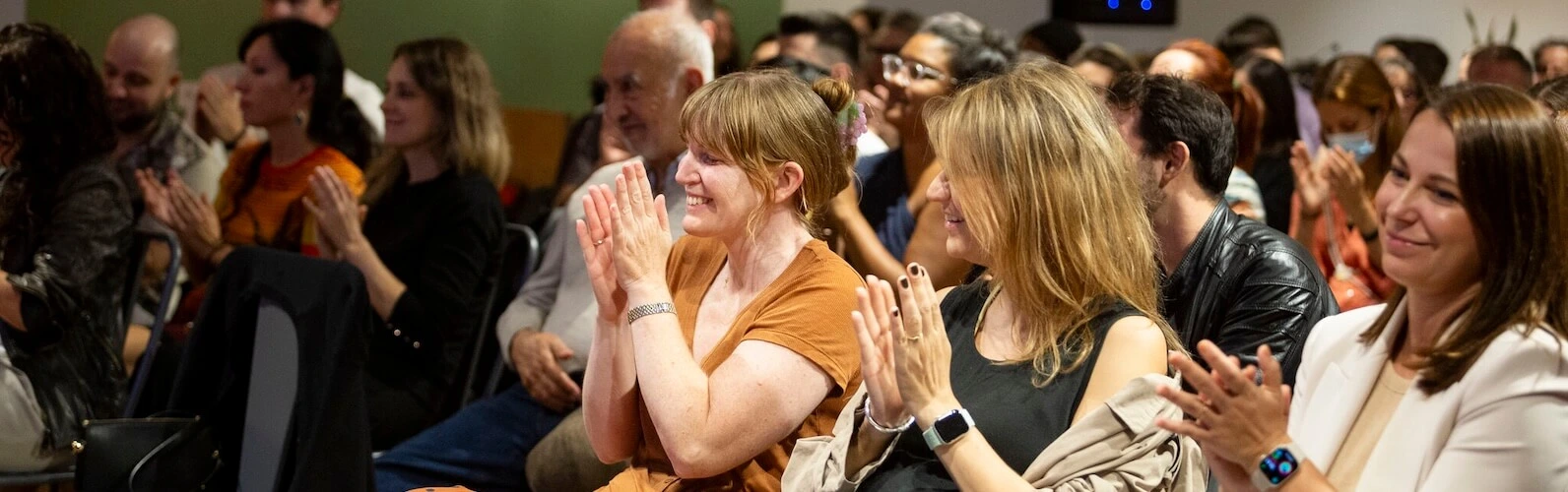
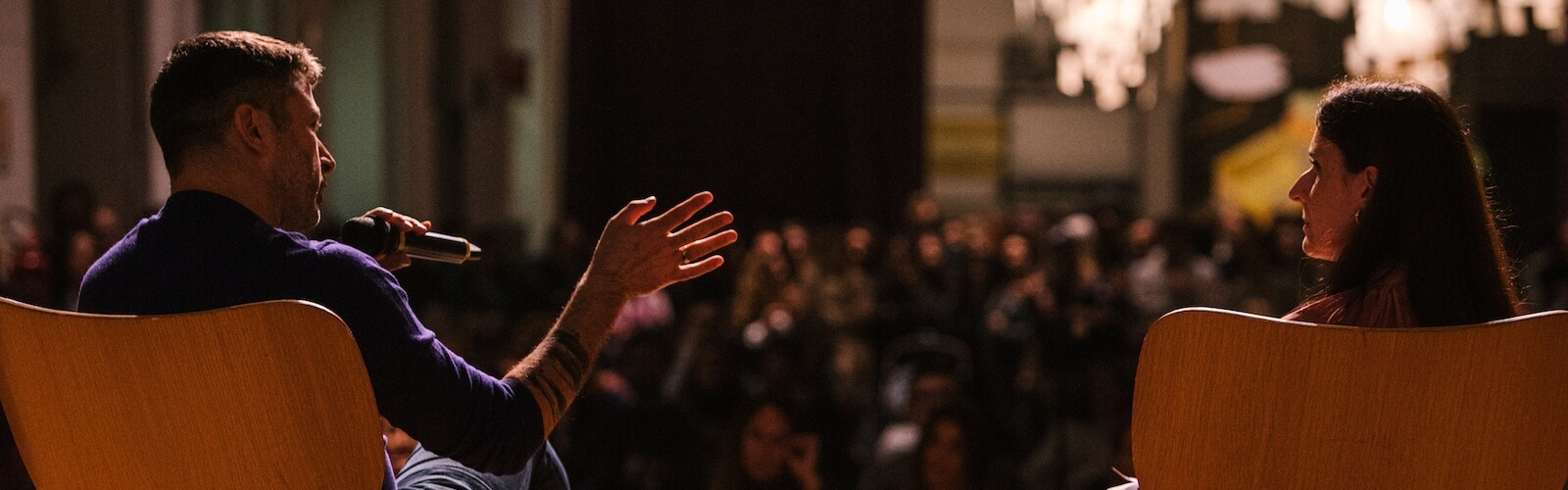
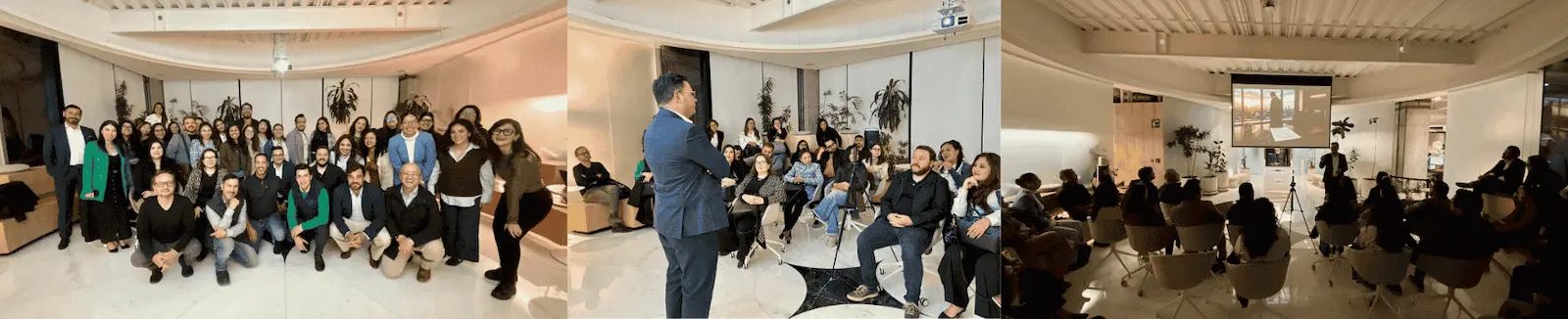
When someone takes the stage to share their story without filters, a mirror exercise occurs in the audience. A special vibration is generated in the room: a feeling of relief, liberation, and collective catharsis. People discover that failure is not just a place of shame, but a deeply human place.
Personally, leading this space extended Montserrat's life. Many of her most important relationships were born here, including her current partner, whom she met after inviting her to be a speaker.
Do you want to be a leader in your community?
Organize " Fuckup Nights " events in your city
Create a space where people can connect, share their failures, and grow—whether you run a coworking space, a community space, a business, or a conference.
Build your community and generate income while you’re at it!
The unforgettable "fuckup": The fear that paralyzes
From all these years, there is one story that remains etched in memory. Sarah Amatuzio, a successful art director from New York who had worked for Oprah Winfrey, took the stage. But she didn't talk about her career.
She talked about what she never did.
In her twenties, she had the talent and a producer ready to launch her as a rock star. But she felt such an overwhelming fear of failure that she abandoned the dream entirely.
Twenty-five years later, on the Fuckup Nights stage, Sarah asked to do something unexpected: she wanted to sing an original song about failure. Montserrat, terrified of how the audience might react, thought: “If we don't take risks at Fuckup Nights, where else would we?”
The result was pure magic. As she sang, the audience connected deeply through the same internal question: What have I stopped doing in my life out of fear of failure?
That brutal need to speak with honesty is what explains the numbers of the chapter:
More than 10 years organizing events without interruption.
100 attendees at their first edition.
Moving to larger spaces after just two years of operation.
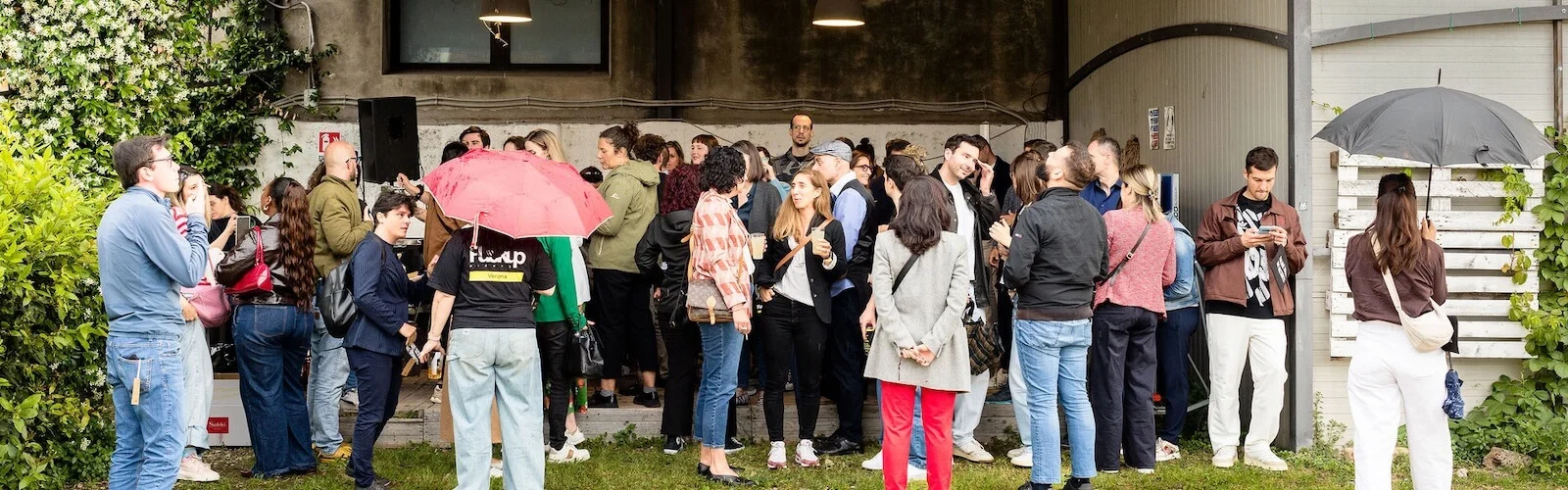
Between 400 and 600 people registered for each regular edition now.
More than 5,000 participants in a massive special edition.
The advice for future Fuckuppers
After a decade of proving that we still need spaces to look at ourselves with less fear, Montserrat's advice for anyone thinking about taking a license in their city is direct and clear:











.svg)

.webp)
.png)