Join our network to receive updates on local events and exclusive stories about failure and growth.
You're now part of our global community! You'll be the first to receive updates about upcoming events near you, delivered straight to your inbox. Plus, you'll get access to our special selection of the best failure stories of the month.
Oops! Something went wrong while submitting the form.
Failure and Innovation: Lessons Learned in a Professional Career with Alejandro Graterol
Alejandro shares his personal vision of failure, framed in his extensive 25-year career in the corporate world.
By:
Fuckup Nights
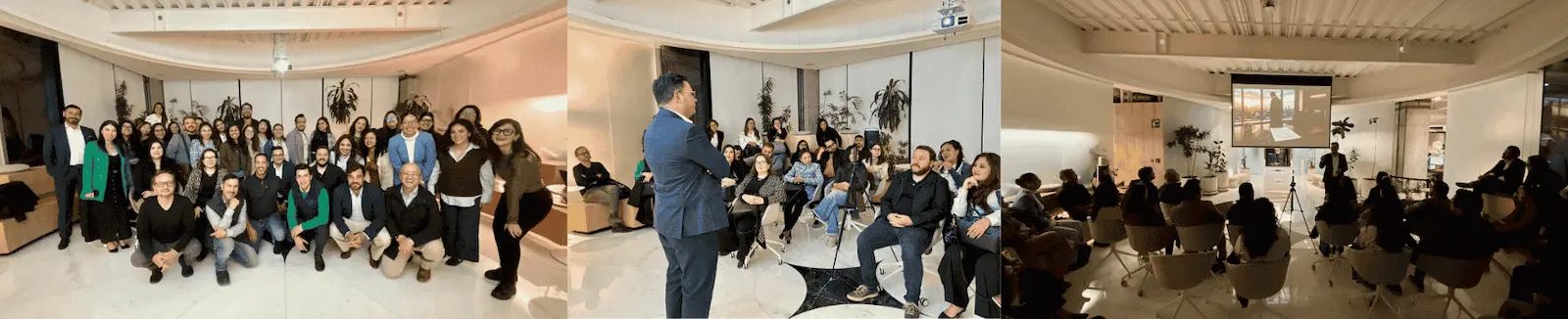
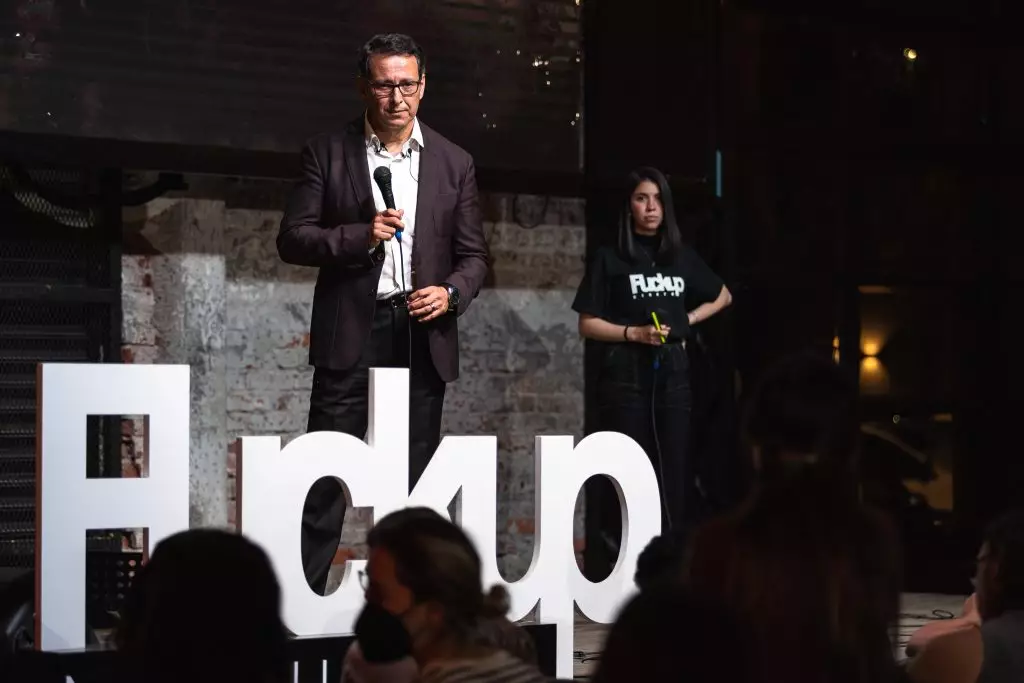
In a friendly and revealing conversation with the team at FuN, Alejandro Graterol shares his personal perspective on failure, drawing on his extensive 25-year career in the corporate world. For Alejandro, failure goes beyond simply not achieving specific goals; it involves failing to learn from past mistakes and failing to strike the necessary balance to enjoy family life.
“After a 25-year career, I can say that failure is defined as not having learned from the mistakes I’ve made over the years—and worse still, not having found the right balance to enjoy and maintain a meaningful connection with my wife and three daughters.”
The Diaper Manufacturing Project and the Challenges Faced
Recalling his involvement in a project to manufacture innovative diapers at México, Alejandro reflects on a critical moment when the plant in Tepeji del Río was on the verge of a fire. In addition, his tireless work at two global companies over more than two decades led him to face professional, personal, and family challenges while living in five Latin American countries.
Initial Goals and Revised Expectations
Alejandro's original goals included manufacturing prototype diapers for markets in Latin America and Asia, as well as planning to retire from the company at age 60 (something that ultimately happened when he was 48).
Reflections and Lessons for the Future
Alejandro acknowledges that he could have avoided certain setbacks by conducting a more comprehensive analysis of industrial safety risks and by not rushing into professional challenges. The lessons he has learned have led him to appreciate the importance of conducting risk analyses with everyone involved in a project, regardless of their department or seniority in the company. Furthermore, he has come to understand that in corporate roles, not only efficiency and image are crucial, but also soft skills and interpersonal relationships.
FuN: Looking back, is there anything you would have done differently to avoid this failure?
Alejandro: Number one: Analyze workplace safety risks with the entire plant team, not just the production line team. And number two: don’t rush into promotions or accept every career opportunity the company offers; I could have declined the latest career opportunity, stayed in my current position, and then negotiated a salary increase.
FuN: What lessons did you learn from this project/initiative, and how can you apply them to future initiatives?
Alejandro: Conduct a risk analysis with everyone involved in the project, since all resources add value to the manufacturing process, regardless of which department they belong to or how long they’ve been with the company. In corporate roles, it’s not all about PIE (Performance, Image, and Exposure); delivering results and exceeding expectations, building teams, etc., are also very important, as are soft skills and relationships with work teams, new cultures, etc.
Innovation and Lessons Learned from Failure
Alejandro’s experience underscores the importance of turning both failures and successes into valuable lessons for business innovation. It also highlights the need to create safe spaces for experimentation, knowledge sharing, and fostering creativity, recognizing that failure is an inherent part of the innovation process.
This dialogue between Alejandro’s personal experience and the concepts of innovation within Failure Managementoffers an enriching perspective on how failure can serve as a catalyst for growth and transformation in the business world.
Alejandro Graterol is a senior executive with more than 20 years of professional leadership experience in end-to-end supply chain organizations within the fast-moving consumer goods industry.
He has developed a global perspective through his time living in various countries in the Americas, and his extensive knowledge of manufacturing processes and supply chain optimization enables companies to stay ahead of their competitors.
Alejandro is a results-oriented individual with a laser-sharp focus on maximizing profits and impacting the organization’s bottom line, creating opportunities to deliver winning products while accelerating the pace of innovation.
It also takes a leadership approach focused on the fundamentals of the business, such as a safety culture, high-quality standards, customer service, operational excellence, and partnerships with business leaders to build high-performing teams.








.svg)

.webp)

.png)
.png)
.png)


.avif)
.avif)


.avif)


.avif)
.avif)


.avif)


