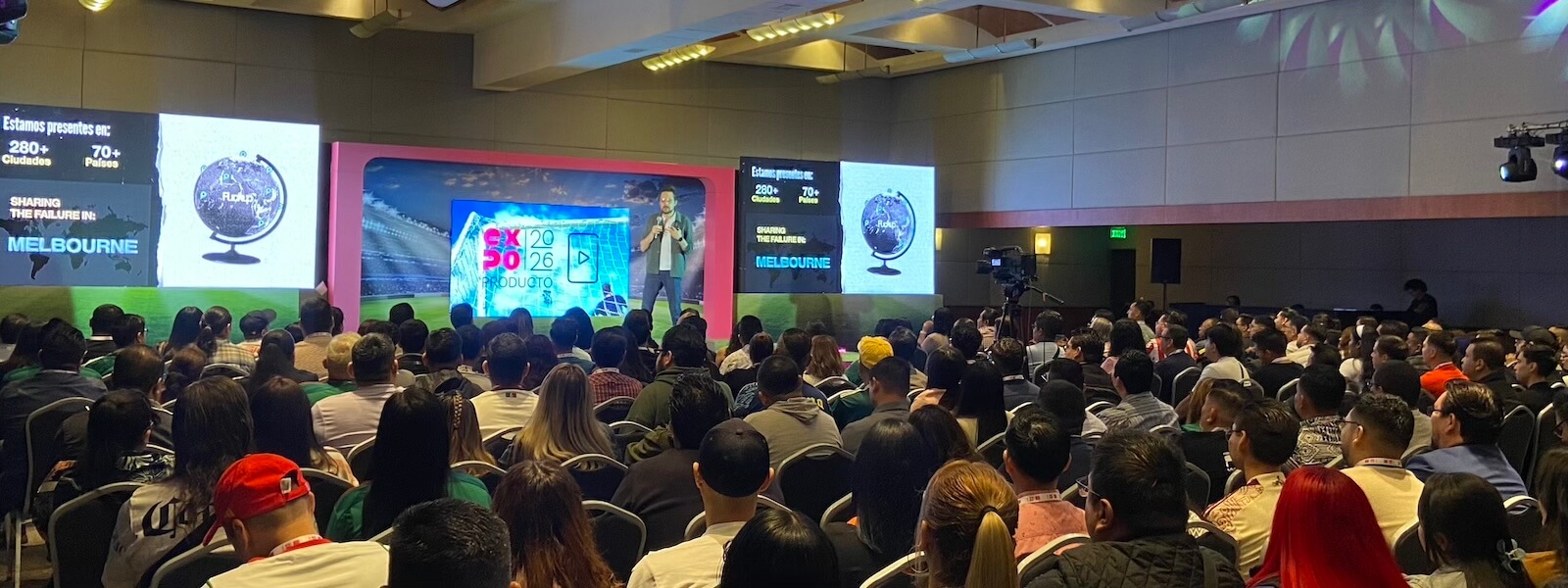
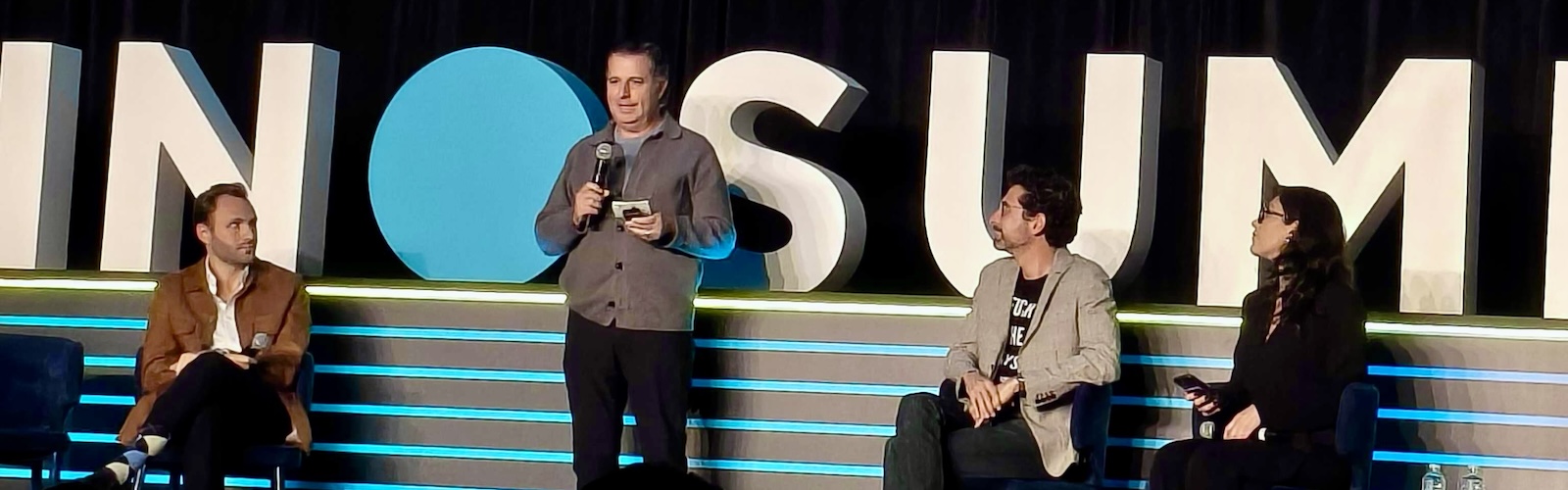
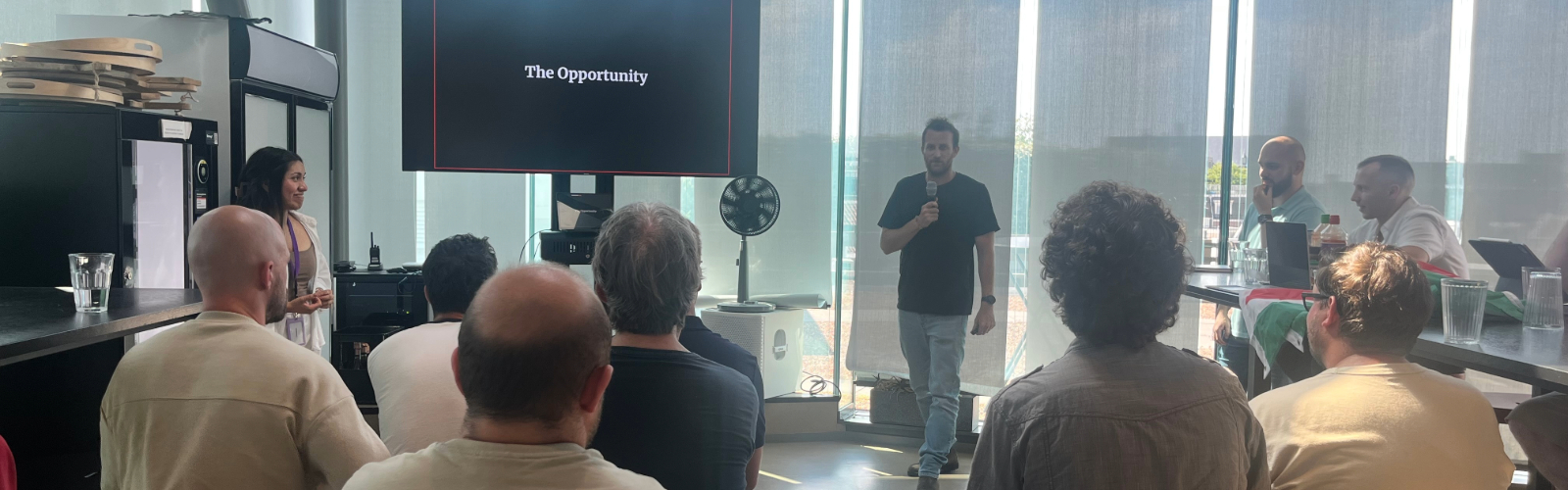
A packed Main Stage at Mindvalley U 2026
In this space, entrepreneurs, experts, and Mindvalley's own CEO turned their biggest setbacks into the most powerful connection tool in the room.
Mindvalley U brings together entrepreneurs, leaders, and experts from around the world every year to talk about growth, transformation, and success.
In Tallinn, we did something different. We put some of its most recognizable names on the Main Stage to talk about the decisions that cost them millions, years of stress, and businesses that nearly broke them.
Full house. More than 700 people. They filled the room twice.
No "10 steps to success" frameworks. No polished, pre-edited stories. Instead, something much harder to find at a leadership event: real vulnerability.
Session One: Three Stories, Millions of Dollars Lost
The first session already had heavyweight names on the schedule: John Lee and Daniel Priestley, sharing stories that don't usually make it into conversations about success.
Then something happened that wasn't on the program. Vishen Lakhiani, Mindvalley's founder and CEO, walked onto the stage to tell his own fuckup story.
What came next changed the energy of the entire event.
- Vishen talked about a business decision that left him in debt for years: undervaluing himself and partnering with someone who didn't share his principles or ethics.
- John Lee talked about losing $4.2 million, and learning that knowing when to let go matters as much as knowing when to keep fighting.
- Daniel Priestley shared the story of a failed attempt to sell his company, and how it forced him to question his identity, his ambition, and how much power he'd been giving other people's opinions over what he believed he was capable of.
Nobody got on stage that day to teach people how to win. They got up to talk about what happened when they lost — and what they learned afterward.
Session Two: The Decisions That Looked Right, Until They Weren't
Day two drew another full house. The conversation shifted gears with Jamie Sea and Eric Edmeades.
- Jamie Sea addressed one of leadership's most common traps: the fear of saying "I don't want this anymore" because it might let your team down. She held onto programs and businesses for years, purely out of a sense of responsibility to friends and partners, sacrificing what she actually wanted to build.
"We're afraid to grow and make hard decisions because we don't want to disappoint others. But you can't build a sustainable business by giving pieces of yourself to people just out of obligation," Jamie reflected.
- Eric Edmeades told the story of impulsively buying a film studio involved in massive productions like Pirates of the Caribbean. Without rigorous due diligence and trusting the wrong partners, the company teetered on the edge of bankruptcy for years — and buried him in brutal stress.
Eric landed on something fundamental about leading people: "Happiness is an inside job". He explained that a leader's real title isn't CEO — it's Chief Emotions Officer, because a leader's emotional state sets the tone for the entire team's culture.
"When you're facing failure, the key is to change the question. Instead of 'Why am I so stupid?', ask 'What am I going to learn from this?" Eric concluded.
How much does it cost a company to learn the same lesson twice?
If you lead People, Culture, or HR, you already know that traditional onboarding workshops and motivational talks rarely change how teams actually behave.
Organizations don't grow by hiding their mistakes. They grow by shortening the distance between a mistake and the lesson it teaches.
Think about everything an organization already knows, buried inside failed projects, lost clients, bad hires, launches that flopped, and decisions that, with what we know now, nobody would make the same way twice.
Bringing a format like Fuckup Nights At Work into your company isn't just an entertainment event. It:
- Builds psychological safety when a team watches its leaders talk openly about their failures.
- Strengthens retention and engagement by showing leaders as human beings people can actually connect with.
- Normalizes failure as a tool, shifting the culture from self-blame and shame toward accountability and fast action.
Building a culture where people can talk about mistakes doesn't mean normalizing mediocrity or celebrating things going wrong.
It means capturing the lesson before it disappears.
How did Mindvalley manage to start this conversation?
Mindvalley achieved this by creating a safe space where high-impact leaders could be vulnerable without fear of repercussions. It wasn’t just another planning session. It was an opportunity to see thought leaders admit they were wrong, demonstrating that failure isn’t the opposite of success—it’s the fuel that drives us to be 1% better every day.
How much could your organization save if your teams learned from each other's mistakes too?
Real culture change happens through real conversations. Turn the mistakes that usually stay hidden into the conversations that help organizations learn faster and better.
👉 Bring a Fuckup Nights experience to your company atfuckupnights.com/at-work








.webp)


.svg)


.webp)

.png)
.png)

.jpg)

.jpg)
.jpg)
.jpg)

.jpg)
%20(1).jpg)

%20(1).jpg)
%20(1).png)
%20(1).jpg)
%20(1).jpg)
.jpg)
%20(1).jpg)


.jpg)
