By now, you’ve probably read plenty of blogs offering tips on how to be more efficient, may the best communication apps and tools, learned new concentration techniques, and even declared yourself an expert in working from home. Just a few months ago, many people had never worked remotely; they saw it as something only for freelancers and upper management. However, here we are, learning how to work from the sofa while waiting for “normality” to return… right?
Remote work has its advantages… Yes, it’s hard to run meetings with our dogs, kids, or husbands hanging around, but if we can set aside the time and space to focus on our loved ones (and furry friends), we can see the bigger picture and the real benefits of working from home.
Flexibility is the most obvious factor. This doesn’t mean working only when we feel like it and otherwise curling up in bed to watch Netflix. It’s important to establish a routine and develop a new kind of “home discipline”; otherwise, we’d all spend the entire day working.
Apart from the obvious impact on our well-being, our productivity levels would decline (despite the feeling that we are getting busier and busier).
Normally, we’d use our breaks at the office to chat with Karen from accounting or grab a cigarette and a coffee. Now, working from home, we can use that time to load the washing machine, “take the dog for a walk,” or pick up an Amazon package at the door—all while staying productive.
That’s the beauty of remote work: it allows for a more flexible work-life balance and brings greater happiness to our lives. We’ve gained back an average of 1–2 hours that we would normally spend commuting, and it’s had a massive positive impact on the environment, with an 85% reduction in pollution in major cities.
So, you might be wondering: Why haven’t we tried this before?!
Management models
The answer lies in the management model that many companies have been using—one in which people are treated as some of the most important, yet non-living, non-human, and non-sentient resources. In order to make the most of precious productive hours and prevent employees from wasting time, the vast majority of companies enforce inflexible working hours and a clock-in/clock-out system.
That might have worked during the Industrial Revolution, but the obsolescence of this model is becoming more evident every day.
“In the past, jobs required physical strength; now they require intellectual ability; but in the future, they will require compassion.”
-Minouche Shafik
If, in times of uncertainty and crisis, we have been able to demonstrate that we can perform our tasks with the same level of efficiency and productivity as we did in the office, it is thanks to a certain level of accountability. We are talking about three key qualities: commitment, proactivity, and responsibility.
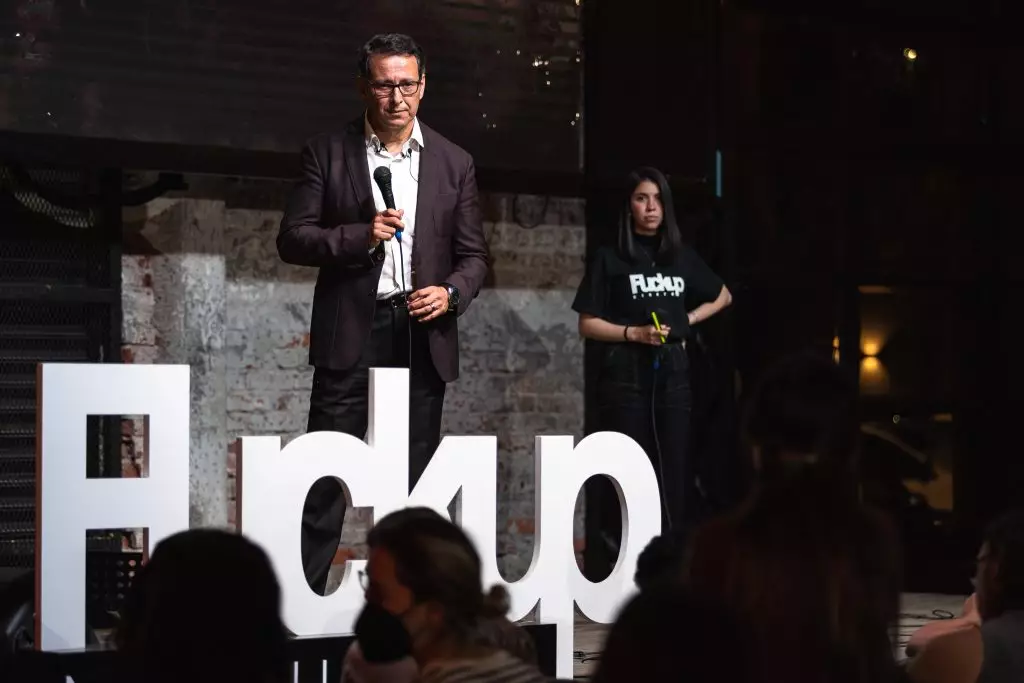
Ileana Castro, People and Admin Manager at Fuckup Nights HQ, explained our secret formula for maintaining a great culture of communication, commitment, and ownership to The Failure Institute. If we’re able to foster these qualities in our teams, it truly won’t matter whether you’re at home or at work—the energy and resources needed to be efficient will always be there.
The truth is that society is ready and willing to work remotely, and this crisis proves it. Most of us already have a home Wi-Fi connection and the necessary tools. We just need our companies and decision-makers to trust us.
We’ve been using this model at Fuckup Nights for years, and have found that it’s an effective way to foster engagement, trust, and a sense of ownership.
When we come out of this (we will, trust us), the new perspectives and skills developed under these unique circumstances will inspire the creation of new approaches and functional structures for the future of work.
That’s what resilience is all about: adapting in times of crisis and coming out the other side 1% better.
Maybe it’s time to consider a remote work model for our teams. Perhaps not as a full-time, mandatory arrangement, but as a healthy option for a couple of days each week. Just imagine the positive impact it would have on our lives and the planet.
So, what will you do once the storm has passed?








.svg)

.webp)
.png)
.png)
%20(1).png)
%20(1).png)
.png)
.png)


.avif)

.avif)
.avif)


.avif)


.avif)


.avif)


.avif)
.avif)


.avif)


.avif)


